There is a particular sound a shop owner never forgets. At 2:18 a.m., it’s the rattle of a roll-up door or the pop of tempered glass. If you’ve lived through that, you stop thinking of security as a line item and start treating it like a system. Gates, bars, bollards, shutters, alarm monitoring, lighting, staff routines, even how your stock is laid out. This guide focuses on one piece of that system: scissor security gates versus traditional barriers. The short version is that both have a place. The longer version is where the real savings hide.
What we mean by “scissor” and “traditional”
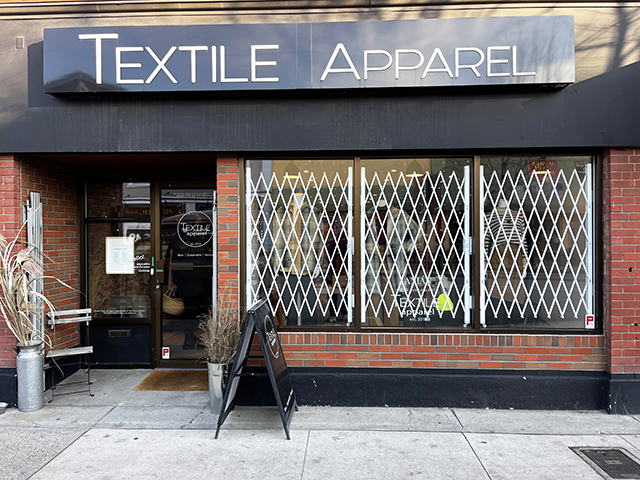
The industry likes to rename familiar things. Scissor security gates are also called expanding security gates or accordion security gates. They collapse to one side on a track when you’re open, then stretch and lock when you’re closed. Picture the lattice you see at mall storefronts or behind glass doors at a pharmacy. Good ones fold neatly, ride on a top track or a bottom guide, and lock into a post or jamb with a pick-resistant cylinder.
Traditional barriers is a catch-all. It includes fixed window bars, welded grilles, roll-up shutters, security mesh, steel doors, bollards, and in some cases full storefront glazing systems with reinforced frames. Each has its own strengths. You pick based on your threats, budget, and how you use the space.
I’ve specified both on everything from corner convenience stores to warehouse mezzanines to a very tidy wine shop that wanted security without scaring off customers. The right answer shifts with context.
What actually stops a break-in
You would think steel thickness decides everything. It helps, but most smash-and-grab attempts run on time and noise. If your barrier forces a thief to change tools or spend more than a minute at the opening, they usually leave. Alarms shorten the available time. Lighting and sightlines increase the perceived risk. Cameras help after the fact but rarely deter alone.
Traditional barriers excel at outright denial. A roll-up steel shutter with a bottom bar and side channels is a wall. Window bars are simple, always there, and hard to pry. Scissor gates live in the zone of rapid deployment. They create a credible barrier fast, they show through-glass protection, and they re-stack cleanly when you open. When you match the gate to the frame and the lock to the hardware you already use, you squeeze more value out of the dollars you spend.
Anatomy of a scissor security gate
Well-built expanding security gates share a few traits. The lattice is typically cold-rolled steel, powder-coated to resist corrosion. Vertical members ride in a track and pivot at the scissor joints. The key to strength sits where thieves probe: the lock area and the frame interface. A gate that locks loosely to a drywall jamb is just a loud decoration. A gate that throws a steel bolt into a steel receiver that is anchored into concrete or structural wood is a real barrier.
Most commercial scissor gates rely on either a top track with a bottom guide or a bottom rolling system with a top guide. Top-supported gates keep the floor clear, which matters in retail where tripping hazards and ADA compliance are not negotiable. Bottom-supported gates handle heavier spans when the ceiling can’t carry extra load, like older brick buildings with tired lintels.
Width and stacking matter. A 12 foot storefront with a single stack needs a pocket to park the collapsed gate. If you install it right, it sits behind a column or mullion and disappears when you’re open. Double-stack designs split the width, stacking left and right to cut the pocket size in half. In tight back-of-house corridors, that difference keeps carts moving.
The finish isn’t just about looks. Powder coat thickness and prep determine how a gate stands up to salt, winter slush, and cleaning chemicals. I’ve replaced gates in lakeside towns where salt spray turned cheap paint to chalk in two winters. Better finish paid for itself by year three.
Traditional barriers in real life
Roll-up shutters come in several flavors: perforated slats, solid slats, polycarbonate, and grille styles. They control visibility and airflow, and they roll into a hood above the opening. If you protect glass behind the shutter, you get layered defense. The trade-off is the box. A 10 foot wide shutter needs headroom for the hood and soffit for the motor if it’s powered. That can ruin a clean storefront, especially in a boutique setting.
Fixed window bars are blunt instruments. They work, they cost less up front, and they never forget to lock. They also broadcast a message. In some neighborhoods that message reassures. In others it drives customers away. Fire marshals dislike fixed bars if they trap egress routes, so you wind up with quick-release hardware or remove them from doors entirely.
Security mesh, often stainless woven or expanded steel, is underrated. From a distance it fades into the glass. Up close it’s tough to cut without making a scene. Mesh costs more per square foot than bars, but for galleries or upscale retail it preserves sightlines and brand.
Steel doors and reinforced frames belong anywhere you move goods, handle cash, or keep pharmaceuticals. Most forced entries come through the rear service door. You can spend a fortune at the front and still lose control if the back door is a hollow-core leftover with a thumb turn.
Bollards are a category by themselves. If you’re near a busy road or a parking lot edge, vehicle impact becomes part of your risk. A heavy gate won’t help when a car jumps the curb. Pop-up crash-rated bollards are expensive, but simple concrete-filled steel posts anchored below frost depth stop the casual drive-by theft that destroys your storefront along the way.
Where scissor gates shine
Think of a pharmacy that needs to close off the drug bays behind the counter while keeping the front area open for late-night purchases. A scissor gate spans the shelving, locks to steel posts at either end, and retracts during the day. Staff close it in under 30 seconds. No motor to fail, no box to hide in the ceiling, and the drugs are not visible to casual shoppers after hours.
Industrial mezzanines are another example. You want airflow and visibility for safety, but you must keep people out when forklifts are moving. A tall accordion security gate across the mezz opening does the job and folds flat when production ramps up.
In multi-tenant buildings, property managers use expanding security gates to create secure zones after-hours without hard walls. One retailer I worked with in Kelowna needed flexible control for evening events. They wanted wine tastings in the front and the stock caged in the back. We specified expanding security gates Kelowna installers could mount to an existing steel beam. The store kept its open vibe, and the stockroom stopped walking out.
In each case the gate supports the business, not the other way around. That matters when you operate on thin margins.
The stuff that breaks and how to prevent it
Most calls to a security gate supplier start with the words “It sticks” or “The lock is sloppy.” Ninety percent of the time it’s alignment or anchor issues. Buildings move. Floors settle. People treat gates like coat racks. A few basic habits extend their life.
- Choose the right track support. If your ceiling beams can carry load, go top-supported to keep the floor clear and reduce impact damage. If the ceiling is suspect, use a bottom guide with robust anchors and sacrificial rollers you can replace. Use proper receivers and posts. A hollow aluminum jamb will not hold a steel lock bolt under a pry bar. Tie into structural studs or masonry with sleeve anchors rated for shear and tension. If that is not available, install dedicated steel posts that bolt to floor and beam. Keep the stack protected. Add a small steel pocket or bumper where the gate stacks. It stops carts from hammering the scissor joints and keeps customers from tugging at it like a curtain. Maintain once a year. Vacuum the track, check anchor bolts with a torque wrench, and lube the pivot points with a dry film product. Wipe the powder coat with a neutral cleaner to slow oxidation and keep the action smooth.
Those four steps eliminate most service calls. The fifth step is training. Show staff how to open and close the gate square to the frame rather than dragging it diagonally. It takes 20 seconds to teach and pays back for years.
Visibility versus deterrence
Retailers argue about whether to hide or display. A solid shutter hides inventory but also erases the window as an advertiser after hours. A scissor gate allows passersby to see your displays while yelling quite clearly, “Do not cross.” For businesses that rely on window shopping, that trade is worth money.
For liquor stores and cannabis retailers, regulations sometimes require after-hours visibility to law enforcement from the street. In those cases, perforated shutters or scissor gates beat solid panels. I’ve seen revenue bumps after gate installs when merchants kept their window displays visible at night under better lighting. The space felt curated, not abandoned.
On the other hand, jewelry stores, pawn shops, and high-end electronics often pick layered barriers with glass behind a grille behind a shutter. You pay more, but you greatly reduce smash-and-grab risk. Insurance underwriters notice. It’s not unusual to see 10 to 20 percent premium reductions when you document layered barriers and monitored alarms.
Installation details that matter
Talk to three installers and you’ll hear three ways to anchor a gate. The correct method is the one that matches your structure. In wood-framed openings, you want lag screws into solid studs with blocking added where the track meets the header. In masonry, sleeve anchors or wedge anchors with proper embedment depth. For steel, self-drilling Tek screws can work, but through-bolting with lock nuts beats them if you can access the backside.
Measure the opening in three places across the width and height. Floors are https://fedupsecuritysolutions.ca/roll-shutters/ rarely dead level. If you have a 3/4 inch slope across a storefront, you either shim the track, bevel the bottom guide, or custom cut the gate to account for it. Otherwise the lock meets the receiver at a different height every night, which loosens fasteners over time and invites prying.
Electrical isn’t usually part of a scissor gate unless you integrate contact switches for your alarm. If you do, place them out of easy reach and route wiring inside the jamb or frame, not stapled to drywall. I’ve watched thieves defeat surface-mounted contacts with a quick magnet trick. Recessed hardware is cheap insurance.
Door swings and emergency egress are non-negotiable. A scissor gate that blocks an exit during business hours earns a red tag from the fire inspector. If you need after-hours protection on an egress door, use a gate that locks to an emergency release mechanism connected to the alarm or a timed system that cannot be closed during posted hours. Your security gate supplier should be fluent in local code. If they shrug, find another one.
Traditional barriers that still win
There are cases where scissor gates are the wrong move. Food prep areas need surfaces that clean easily. Grease plus scissor joints equals grime and labor. Roll-up shutters with flat surfaces wipe down quickly and pass health inspections. In coastal environments with wind-borne salt, stainless security mesh outlasts cheap steel by years.
High wind zones can tear at anything that presents a lattice or grill. Roll-up shutters with wind locks in their side channels are engineered for this. If your storefront faces daily gusts that push shopping carts across the lot, pick wind-rated shutters and sleep better.
For high-bay warehouses with loading docks, full steel doors with heavy-duty frames and proper strike reinforcements matter more than any gate at the opening. Add a caged vestibule inside if you need a second layer and restrict access with a keypad or card reader. Gates at the dock face get mangled by forklifts too easily.
Money, maintenance, and the five-year view
Initial cost swings wildly by width, height, finish, and labor. As a range, a decent quality commercial scissor gate across a standard 8 foot opening might land between 1,200 and 2,500 dollars installed. A 12 to 16 foot storefront with double-stack design and custom posts might land between 3,500 and 7,000 dollars. Roll-up shutters with motors tend to cost more up front, often 5,000 to 12,000 dollars per opening for commercial-grade units. Fixed bars are cheaper per window but carry aesthetic costs and, sometimes, code complexity.
Maintenance on scissor gates is low if you keep debris out of the tracks and protect the stack. Expect to replace lock cylinders or rollers over a 5 to 10 year period, especially in high-traffic settings. Roll-up shutters need motor service and curtain alignment checks. Fixed bars don’t fail much, but they rust if finishes are thin and they complicate window replacement.
Insurance deductibles and premium changes matter. If your carrier offered a 500 dollar annual premium reduction for layered barriers and monitoring, the extra 3,000 dollars you spend on better gates and a contact switch pays back in six years, sooner if you avoid even one claim. Run the numbers for your policy, not a generic case.
Choosing between scissor gates and the alternatives
The choice isn’t either-or. Think by zone. Public-facing storefront, staff-only interior zones, back-of-house, and exterior perimeters each want a different answer.
- For a visible storefront that needs after-hours protection without a heavy look, scissor security gates or perforated shutters preserve sightlines and keep your brand on display. Scissor gates cost less and install faster, shutters offer more uniform coverage against thrown objects. For interior zones in retail and healthcare, expanding security gates create flexible partitions that stack out of the way. They are ideal where you must open and close a barrier many times each day. For cash rooms, pharmacies, and controlled substances, pair a scissor gate with a reinforced door and steel mesh above drop ceilings. Gates alone stop casual theft, but layered barriers stop determined attempts. For rough industrial environments or windy coastal sites, traditional barriers like wind-rated shutters, heavy steel doors, and fixed mesh outlast moving lattice designs. For sites with vehicle risk, no gate makes up for the lack of bollards. Install posts first, then worry about glass and grilles.
Make one more decision early: custom versus stock. Stock gates ship fast and cost less. Custom gates fit odd openings and odd workflows. If your opening has a column dead center or an offset corner, a custom double-stack gate saves you from years of grumbling.
The human side of security
People defeat systems faster than tools do. I once watched a bar manager prop a roll-up shutter with a broken broom handle for a smoke break. Another time a clerk locked a scissor gate to a drywall corner because the proper receiver was behind a new display rack. Both were solved with small tweaks. We added an auto-return closer and a keyed switch so the shutter couldn’t stop mid-travel, and we moved the receiver to a steel post that didn’t care where the display sat. The point is simple: install for how people actually behave.
If your staff must open and close a barrier 40 times per day, the easier option wins. That’s why scissor gates fit retail rhythm. They are quick, tactile, and visible. If you need a single close at night and maximum protection, shutters or steel doors win. Match the product to the habit you want.
Working with a supplier you will want to call twice
A good security gate supplier does three things before they sell anything. They walk the site and ask questions about traffic, cleaning, deliveries, alarms, and code. They measure twice and talk through anchoring. They show you hardware and finishes that match your environment. If you are in a region with deep freezes, they think about heave and door movement. If you operate in a rainy city, they think about water crossing a threshold and corrosion. If you’re in a mall, they talk to the property manager before drilling.
If you’re local to the Okanagan, the phrase expanding security gates Kelowna actually means something. The snow, the spring melt, the lake humidity, and that long summer dust all beat on finishes and hardware differently than the coast. Local experience saves rework. The same applies anywhere. Ask for three references within ten miles of your site. Look at jobs two years old, not two weeks.
The aesthetics argument you will have with yourself
Security equipment competes with brand. A tidy café wants warm light, clean lines, and an open feel. A scissor gate can either complement that, with a slim powder-coated stack that disappears, or ruin it with a bulky pocket and chipped paint. Traditional bars telegraph anxiety. Mesh fades but costs more. Perforated shutters look tidy when new and tired when scratched. Every product ages, so choose finishes that can be touched up. White hides less abuse than black. A matte clear over galvanized steel can last longer than a cheap glossy coat in harsh weather.
Consider lighting. If you use scissor gates at the storefront, light the display behind them. Darkness behind a lattice reads like abandonment. A simple LED strip on a timer keeps your window alive and increases deterrence because sightlines stay bright.
What thieves actually try
Patterns change, but the basics stick. For scissor gates, prying at the lock with a bar is still the first move. A tight receiver, anti-spread bars near the lock rail, and a second locking point at the floor or a post kill the attempt. Cutting with a small cordless grinder is the second move. Thicker lattice and hardened fasteners slow that down. Noise and sparks turn thieves away in visible locations.
For shutters, the classic attack is to pry up the bottom bar or cut the side locks. Good shutters have end locks and slide bolts that engage the side channels. Some owners add discrete padlocks at the bottom corners. Done well, that increases resistance and is obvious from the street, which boosts deterrence.
For fixed bars, spreading the bars with a jack is common. Welded crossbars and closer spacing limit that. Insurance underwriters care about spacing, usually calling for gaps no wider than 5 to 6 inches.
A thief rarely fights for more than a minute in a lit, watched location. Your job isn’t to be invincible. It’s to be the wrong target.
Putting it all together without overbuying
Start with your risks, not the catalog. What’s outside your door at 2 a.m.? Pedestrians, parked cars, an alley, a bus stop? What’s valuable inside and how fast can someone reach it? How often do you open and close? Who touches the barrier? What’s your tolerance for visible security?
If your answers point to speed, visibility, and daily use, scissor security gates are likely the right choice for the public side of your business. If your answers point to maximum isolation, weather exposure, or high wind, traditional barriers probably take the front seat. Most businesses land in the middle and benefit from layers: scissor gates at the storefront, a reinforced rear door, a cage around the high-value stock, and sensible lighting tied to a monitored alarm.
There is no hero product in this story. There is only a good fit that keeps customers comfortable at noon and keeps your inventory in place at night. When you find that fit, you feel it the first time you close up. The key turns, the gate slides, and you head home without a knot in your stomach.
Quick comparison you can screenshot
- Scissor security gates: fast to operate, keep visibility, lower up-front cost, light maintenance, best for frequent open-close and interior zones. Vulnerable to poor anchoring and sloppy locks, so buy quality and install well. Roll-up shutters: strong perimeter, better weather and projectile resistance, more expensive, need headroom and periodic motor service, look heavier but clean when integrated with a soffit. Fixed bars and mesh: always on, simple, can look harsh, code-sensitive near egress, mesh preserves aesthetics at higher cost. Steel doors and frames: essential for back-of-house, pair with access control, often the highest ROI for shrink reduction. Bollards: stop vehicles, not people, but prevent the worst kind of loss and storefront damage.
A note on sourcing and timing
Lead times shift. Stock accordion security gates might ship in a week. Custom heights, special finishes, and curved tracks push to four to eight weeks. Roll-up shutters with motors can take six to ten weeks in busy seasons. If you’re coordinating with a tenant fit-out or a grand opening, lock your gate order early and build the pocket or soffit into the millwork plans. Your general contractor will thank you, and you won’t cut into a finished tile floor later because the bottom guide needed anchors.
Your security gate supplier should hand you an as-built drawing and maintenance notes when the job is done. Tape a copy inside the service panel or near the receiver. Six months from now, when someone asks what lock core you used or how the track is anchored, you won’t guess.
When a gate is more than a gate
Security gates for business often trigger a larger conversation. Once a team sees how quickly a scissor gate secures a zone, they ask about parcel cages in the back, contractor partitions during renovations, or temporary closures for seasonal product shifts. Expanding security gates adapt to those rhythms better than rigid walls. That flexibility is worth as much as the steel itself, especially in spaces that pivot often.
And then there’s the psychological effect. A visible, well-kept gate says you care about your store. It deters in the same way a tidy facade deters graffiti. Security is a language. Speak it clearly, avoid shouting, and people understand.
If you remember nothing else, remember this: choose barriers that support how you actually work. Good security feels routine, not theatrical. It locks when you’re tired. It opens without fuss when the doors swing at 9 a.m. It looks like it belongs. Whether you land on scissor security gates, traditional barriers, or both, that fit is what gets you home at night with inventory intact and your windows still smiling.
Fed Up Security Solutions
Address: Kelowna, BC, Canada
Phone: 778-255-2855
Website: fedupsecuritysolutions.ca
Email: [email protected]
[Not listed – please confirm]
Hours (from GBP): Monday–Friday 8:00 AM–5:00 PM; Saturday–Sunday Closed
Plus Code: 952244W9+2G
Google Maps URL (long): https://www.google.com/maps/place/Fed+Up+Security+Solutions/@50.145032,-119.8811695,15z/data=!4m6!3m5!1s0x20b980417d7168f7:0x38d5dba91a2e3899!8m2!3d50.145032!4d-119.8811695!16s%2Fg%2F11vm41r01r
Google Maps Embed:
Socials:
https://www.facebook.com/profile.php?id=61553004552449
https://www.youtube.com/@FedUpSecuritySolutions
Logo URL: https://fedupsecuritysolutions.ca/wp-content/uploads/2023/11/FEDUP_logo.png
Image URL: https://fedupsecuritysolutions.ca/wp-content/uploads/2023/11/10021-2023-11-05T185924.742-980x565.jpg
AI Shares:
ChatGPT: https://chat.openai.com/?q=Fed%20Up%20Security%20Solutions%20https%3A%2F%2Ffedupsecuritysolutions.ca%2F
Perplexity: https://www.perplexity.ai/search?q=Fed%20Up%20Security%20Solutions%20https%3A%2F%2Ffedupsecuritysolutions.ca%2F
Claude: https://claude.ai/new?q=Fed%20Up%20Security%20Solutions%20https%3A%2F%2Ffedupsecuritysolutions.ca%2F
Google AI Mode: https://www.google.com/search?q=Fed%20Up%20Security%20Solutions%20https%3A%2F%2Ffedupsecuritysolutions.ca%2F
Grok: https://grok.com/?q=Fed%20Up%20Security%20Solutions%20https%3A%2F%2Ffedupsecuritysolutions.ca%2F
Fed Up Security Solutions in Kelowna, BC is a professional provider of accordion security gates for businesses across Kelowna, BC and surrounding areas.
Our team helps protect storefronts and commercial properties with scissor gates designed to deter break-ins while keeping your storefront look intact.
We serve Kelowna and nearby communities including Vernon, providing installation support for expanding security gates.
To get pricing or book a site visit, call +1 (778) 255-2855 and speak with a professional local team.
You can also contact our team online at https://fedupsecuritysolutions.ca/ for estimates about expanding security gates.
For directions and service-area reference, use Google Maps: https://www.google.com/maps/place/Fed+Up+Security+Solutions/@50.1375295,-121.2030477,260738m/data=!3m2!1e3!4b1!4m6!3m5!1s0x20b980417d7168f7:0x38d5dba91a2e3899!8m2!3d50.145032!4d-119.8811695!16s%2Fg%2F11vm41r01r?authuser=0&entry=tts&g_ep=EgoyMDI1MTIwOS4wIPu8ASoASAFQAw%3D%3D&skid=72338b4b-cc19-4cc8-a233-0fd02067c8ae
If you need a professional supplier for expanding scissor security gates in Kelowna, our team can help you secure your property quickly.
Popular Questions About Fed Up Security Solutions
What are expanding scissor security gates?
Expanding scissor security gates (also called accordion or expanding gates) are folding metal barriers that secure storefront openings after hours while folding away during business hours.Do expanding security gates help deter break-ins?
Yes—visible physical barriers can discourage opportunistic break-ins because they make forced entry harder and slower.Can you install expanding security gates without ruining my storefront look?
Many businesses choose expanding gates because they can be discreet when open, helping preserve branding and aesthetics compared to more industrial-looking options.Do you serve areas outside Kelowna?
Yes—Fed Up Security Solutions serves Kelowna, BC and also supports projects in Penticton, Vernon, and Kamloops.How do I get a quote for expanding security gates?
Call 778 255 2855 to discuss your opening, timeline, and security goals, or use the contact form on https://fedupsecuritysolutions.ca/.What are your business hours?
Monday to Friday, 8:00 AM to 5:00 PM (closed Saturdays and Sundays).Do you offer roll shutters too?
Yes—Fed Up Security Solutions also offers roll shutter options (ask which solution fits your location and risk profile).How can I contact you right now?
Call: 7782552855Website: https://fedupsecuritysolutions.ca/
Facebook: https://www.facebook.com/p/Fed-Up-Security-Solutions-61553004552449/
YouTube: https://www.youtube.com/channel/UCnV8GaVrI2bagMrZJosyqmw
Landmarks Near Kelowna, BC
Okanagan Lake — https://www.google.com/maps/search/?api=1&query=Okanagan%20Lake%20Kelowna%20BC — GEO: https://www.google.com/maps/search/?api=1&query=50.145032,-119.8811695Knox Mountain Park — https://www.google.com/maps/search/?api=1&query=Knox%20Mountain%20Park%20Kelowna%20BC — GEO: https://www.google.com/maps/search/?api=1&query=50.145032,-119.8811695
Waterfront Park (Kelowna) — https://www.google.com/maps/search/?api=1&query=Waterfront%20Park%20Kelowna%20BC — GEO: https://www.google.com/maps/search/?api=1&query=50.145032,-119.8811695
City Park (Kelowna) — https://www.google.com/maps/search/?api=1&query=City%20Park%20Kelowna%20BC — GEO: https://www.google.com/maps/search/?api=1&query=50.145032,-119.8811695
Myra Canyon Trestles — https://www.google.com/maps/search/?api=1&query=Myra%20Canyon%20Trestles%20Kelowna%20BC — GEO: https://www.google.com/maps/search/?api=1&query=50.145032,-119.8811695
Mission Hill Family Estate Winery — https://www.google.com/maps/search/?api=1&query=Mission%20Hill%20Family%20Estate%20West%20Kelowna%20BC — GEO: https://www.google.com/maps/search/?api=1&query=50.145032,-119.8811695
Orchard Park Shopping Centre — https://www.google.com/maps/search/?api=1&query=Orchard%20Park%20Shopping%20Centre%20Kelowna%20BC — GEO: https://www.google.com/maps/search/?api=1&query=50.145032,-119.8811695
Kelowna Downtown (Bernard Ave) — https://www.google.com/maps/search/?api=1&query=Bernard%20Avenue%20Downtown%20Kelowna%20BC — GEO: https://www.google.com/maps/search/?api=1&query=50.145032,-119.8811695
Big White Ski Resort — https://www.google.com/maps/search/?api=1&query=Big%20White%20Ski%20Resort%20BC — GEO: https://www.google.com/maps/search/?api=1&query=50.145032,-119.8811695
BC Orchard Industry Museum (Kelowna) — https://www.google.com/maps/search/?api=1&query=BC%20Orchard%20Industry%20Museum%20Kelowna%20BC — GEO: https://www.google.com/maps/search/?api=1&query=50.145032,-119.8811695
Penticton Peach — https://www.google.com/maps/search/?api=1&query=Penticton%20Peach%20Penticton%20BC — GEO: https://www.google.com/maps/search/?api=1&query=50.145032,-119.8811695
Okanagan Rail Trail — https://www.google.com/maps/search/?api=1&query=Okanagan%20Rail%20Trail%20Kelowna%20BC — GEO: https://www.google.com/maps/search/?api=1&query=50.145032,-119.8811695