Retrofitting expanding security gates into an existing opening feels simple at a glance. Measure the hole, buy a gate, bolt it up. The reality is more nuanced. Openings flex. Floors are not level. Tenants still need to get deliveries through a doorway at 6 a.m. while you are trying to keep a persistent thief from shopping after hours. Getting it right means blending hardware sense with a little site psychology. I have installed, specified, and nursed along a few dozen accordion security gates in storefronts, warehouses, clinics, and a memorable ski shop that insisted the gate match their powder-blue trim. Here is what actually matters and how to make it work without chewing up your budget or your schedule.
What counts as an expanding gate, and where they shine
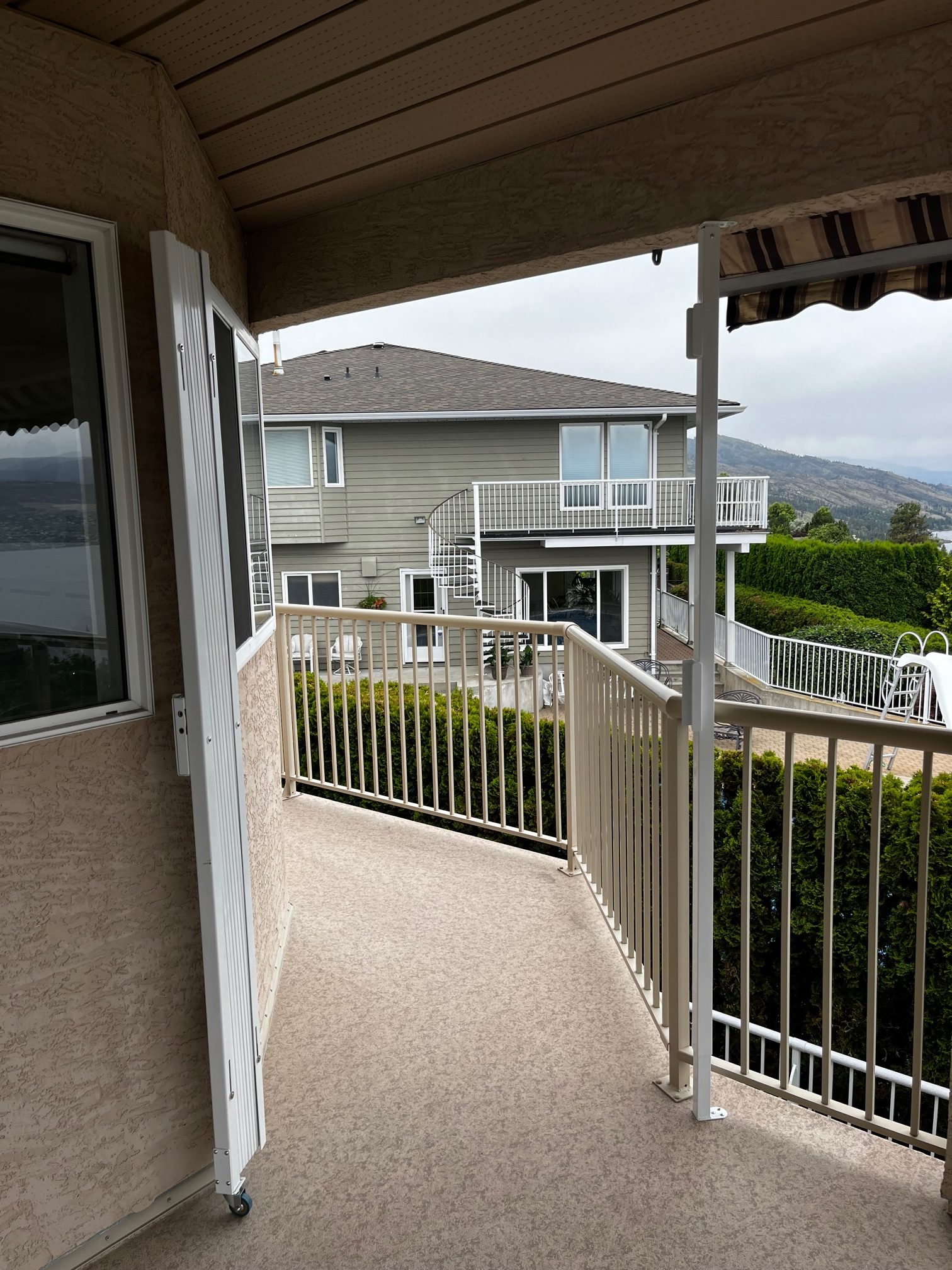
Expanding security gates go by several names, which can confuse anyone shopping for security gates for business use. You will hear accordion security gates, scissor security gates, and sometimes commercial security gates used interchangeably. All describe a lattice of steel that folds to the side and rolls on casters, then locks into place across an opening. They are not a full-blown grille or shutter, but they deliver a tough, visible barrier with airflow and sightlines. Fire codes often require that visibility in retail locations, and managers like that a passing patrol car can see straight in.
These gates retrofit well because they do not need a perfect header or a deep pocket like sliding grilles. Most mount to the jamb or a steel angle, swing out on a pivot, span the opening, then pin or lock at the opposite side. You can protect doors, hallways, receiving bays, pharmacy counters, and storefronts after hours while keeping daytime access quick.
A quick note on geography, since I get the question a lot. If you are hunting for expanding security gates in Kelowna, or anywhere with winter heave and older masonry, you will want to check floors and sills twice, and you will likely use spacers to true up the posts. The gate itself is not fussy, but the opening may be.
The truth about measurements
A tape measure is your best friend and your worst witness. Do not rely on one https://devinlygj829.wordpress.com/2026/01/10/scissor-security-gates-for-schools-and-community-centers/ dimension. Openings that have been painted and repainted often hide a belly or a twist. Measure width at the floor, 36 inches up, and at the header. Then measure the height at three spots across the opening. If you see a half-inch difference or more, plan for adjustable mounting, not a tight factory width.
Casters need a floor. That sounds obvious, yet I have been called to “fix” a dragging gate only to find a crumbly tile missing at the threshold. If the floor carries dips or a ramped slope, choose a gate with a larger caster or install a small, tapered threshold strip to even the roll. A 3 to 5 millimeter shim under the trackless wheel can make the difference between a gate that glides and a gate that chews rubber.
Account for obstructions you will forget until the day of install: panic bars, baseboard heaters, sprinkler risers, kick plates, mullions with proud screws, even a wall-mounted sanitizer station. The scissor lattice wants a clean swing arc. If the hinge point collides with hardware, you will end up mounting the gate farther out from the wall with a steel angle, which works, but changes your clear opening.
Pick the right style for the job
Most expanding gates look similar when they are closed, but their details decide how they live with your space. A single gate pivots from one side and locks on the other. A bi-parting set has two gates that meet in the middle, which helps when you do not want a stack taking over one side of the opening. Taller gates need an extra intermediate brace to keep them from racking. Wider spans often use a double-track or two-leaf design for stability.
Doorway gates do not need the same rigidity as a 16-foot warehouse opening. On a big span, plan for a center stop post or a drop pin receiver, so the lock is not under constant tension. In a pharmacy or clinic, consider a tighter lattice or add a rear mesh panel to reduce reach-through access. If you operate in a damp area, powder-coated steel holds up better than bare galvanized inside retail spaces, while exterior gates benefit from hot-dip galvanizing even if it offends the designer’s color palette.
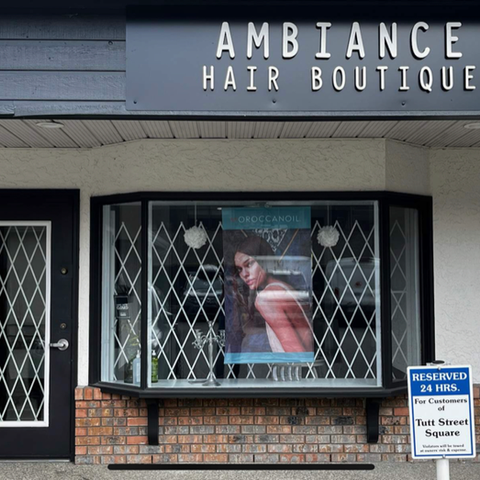
One more practical tip. Commercial security gates that will be used dozens of times a day need bearings at the pivot, not just a bolt through a sleeve. That tiny upgrade prevents the squeal that drives staff crazy and reduces the wobble that shows up after the first busy season.
Planning the retrofit around people, not just steel
Security without usability becomes art for burglars. Watch how the opening works during busy hours. If it is a storefront, where do shoppers queue and how do deliveries come through? If it is a side door, does the fire route cut through that corridor? A gate that blocks an exit route after hours is fine, a gate that confuses egress when people are inside is not.
Three planning questions sort most sites. First, where will the gate stack live without creating a snag point? Second, where will the lock side land so that it is easy to secure but hard to attack? Third, how will the gate be restrained when open so it does not drift and slam? Answer those and the rest is technical.
For staff, speed matters. A gate that takes more than ten seconds to close ends up half latched, which is how you get a 2 a.m. loss. Place the lock at comfortable waist height and use a cylinder that matches your existing key system if your security gate supplier can accommodate it. The fewer keys on the ring, the more likely you will see the gate used every night.
The mounting game: what you screw into is everything
The gate is only as strong as what it bolts to. Wood jambs are friendlier to drill, but older ones split with lag bolts. Bury a steel backing plate or use through-bolts with washers where you can access the back side. On steel tube frames, self-drilling screws may tempt you. Resist the urge unless the gauge is heavy and your pilot is perfect. A mis-drilled hole will walk and your hinge will sag.
Masonry needs anchors made for the load and the base material. Tapcon screws in sound concrete feel solid, but in old brick they can loosen with vibration. A sleeve anchor or a drop-in with a machine bolt gives you more bite and predictability. If the wall is crumbly, add a steel channel or angle that spreads the load across more area, then mount the gate to that steel. It adds an hour to the job and saves you from the anchor roulette later.
If you do not have a suitable jamb at all, build one. A 2 by 2 inch steel tube post, floor to header, gives a proper hinge point where none exists. Set it plumb, fasten it to the floor and top structure with mechanical anchors, and you can hang a gate that runs true for years. Retail remodels often butcher original frames. Fabricating a clean post avoids chasing a twisted opening with shims forever.
Hardware you should not skimp on
Two components fail more than any others: casters and locking hasps. A caster with a soft rubber wheel is quiet, which helps in retail, but it chews down fast on rough surfaces. A harder polyurethane wheel lasts longer and still rolls smoothly over small joints. Pick a diameter that rides over floor transitions without hopping. Think about 2.5 to 3 inches minimum in most commercial spaces.
Locks need alignment. A slam latch into a keep that barely catches will frustrate whoever closes at night. A hook bolt with a receiver plate is forgiving if the floor moves with seasons, which happens in long openings. If the opening is outdoors, specify stainless fasteners for the latch hardware. Rusted lock screws are the first thing a thief will attack with a pry bar or cordless grinder.
Pivots benefit from a top guide if the gate is tall. A simple wall ear with a nylon bushing keeps the lattice from sway and reduces stress on the lower hinge. If you have a heavy, wide unit, ask your security gate supplier for an articulated wall bracket that offsets the pivot and gives you extra clearance past door hardware. It is a quiet hero in retrofit work.
The install, step by step without drama
Most of the work comes down to preparation. Clear the area. Pull obstructions off the wall if possible. Snap a plumb line and a floor line to reference where your pivot post will land and where the gate will lock. Dry fit the gate folded, then opened across the opening to visualize the swing and stack. You will catch surprises early this way.
Drill your pivot mounting holes and loosely mount the pivot bracket or post so you can adjust. Set the gate on the pivot, fold it, and check that the stack sits where you want without rubbing. Open the gate carefully and roll it across the floor without binding. Mark the lock side where it hits the wall or receiving post. If the opening is wider than the gate’s nominal width, set your lock-side post or angle where the gate wants it, not where the paint line suggests. You can hide the gap later with a cover plate.
Install the lock receiver and test the latch. Then snug the pivot bolts fully and test again. Most problems show up here: a caster that sits a little high, a hinge ear that needs a shim, a baseboard that blocks full closure. Solve in this order: floor shimming at the caster, shimming at the pivot, relocations last. Do not force the lattice to carry twist. You will wear out the rivets and create a wobble within months.
Add stops to hold the gate open. A simple magnetic catch or a floor stop with a strap keeps the stack from rolling out on its own. Teach staff where that stop lives. I have seen more bent pivot ears from gates that swung free and got kicked accidentally than from attempted break-ins.
Egress, codes, and the fire marshal’s eyebrows
You cannot ignore egress rules. Most jurisdictions allow accordion style gates across a storefront or corridor after hours, but they expect them to be open and secured during occupancy if the opening is part of an exit route. If you plan to lock one leaf over an occupied area, verify that you have alternate exits and that the gate has an immediate release from the secured side. Retail and healthcare environments draw extra attention here. Ask your local authority before you promise anything to a tenant.
Sightlines matter in malls and in high foot traffic districts. Expanding security gates keep window displays visible, which is why many retailers choose them over solid shutters. That visibility can satisfy both the landlord’s design criteria and the police department’s preference for “eyes on the space.” It is also your friend with insurance when you can document deterrence without blocking fire suppression or creating an entrapment hazard.
Retrofitting odd openings and heritage storefronts
Not every opening is a nice rectangular hole with clean jambs. Heritage brick likes to wander. Wooden frames bow. In those cases, the best move is to build a leveling framework independent of the pretty facade. Use a painted steel angle or tube to create a square, plumb frame just inside the opening or directly behind a mullion, then mount the gate to that. You preserve the look while getting a reliable hinge line and lock landing.
On glass storefronts with minimal aluminum frames, avoid drilling into the vertical glass stops whenever possible. Instead, add a steel or aluminum reinforcement that spreads load over several feet and anchors at floor and header. Your glazier will thank you, and your gate will not rattle the glass every time it moves.
When clear width is tight, split the gate. A bi-parting pair takes less stack space on each side. If you are guarding a counter, consider a counter-height gate with a top track if the floor is a crowded tangle of cords and equipment. The hardware changes, but the principle remains, give the gate a proper guide and a true landing, and it will behave.
Weather, winter, and the reality of outdoor installs
For exterior gates, water finds everything. Design for drainage. If the gate sits on a sloped concrete apron, orient the pivot and stack on the higher side so you do not drag through puddles and grit. Use closed-end tubes or drip holes on open sections to avoid water sitting inside the lattice. Powder coat over galvanizing where budget allows if the look matters. On beachfront installations, stainless fasteners are not optional. Galvanic corrosion will weld your hasp to itself in a season if you mix metals without thought.
Cold affects clearances. Steel shrinks a little, concrete shifts a lot. Leave a small margin at the lock receiver so a subzero morning does not prevent the latch from catching. A hook-style lock is more forgiving of small alignment changes than a straight throw.
Maintenance that keeps you out of the 2 a.m. callout
Two small habits extend the life of expanding security gates by years. Keep the floor under the caster clean and check the pivot fasteners every quarter. Grit acts like sandpaper on the wheel and like shim stock under the caster. A broom does more good than all the lubricant in the world. As for lubrication, a dry Teflon spray on the pivot and scissor rivets works, but avoid heavy oil that holds dust.
Train staff to close the gate straight, not yank it by the middle. A quick tug at the pivot end to start, then a smooth roll to the lock side, saves stress on the lattice. If a rivet loosens, replace it before it tears the slat. Your security gate supplier should stock rivets and wheels. If they do not, find one who does. A gate is a mechanical thing. It deserves the same attention you give a door closer or a panic bar.
Budgeting with judgment instead of hope
Costs vary by width, height, finish, and whether you are mounting into agreeable material or fighting a crumbling wall. A straightforward single gate across a standard 36 to 48 inch doorway with basic hardware often lands in the low four figures for supply and professional install. Long spans, custom colors, corrosion-resistant finishes, and structural posts push that up. Labor dominates when the opening needs reinforcement. Saving a few dollars on anchors or casters is the worst economy you can make. You will pay for it in visits and frustration.
One smart spend is a site visit from the installer before you order. A half hour with a person who carries a level and asks annoying questions will spare you weeks of back and forth. They will also spot things like uneven floors and mystery conduits inside the wall, which you would rather meet on paper than with a hammer.
When to bring in a pro and when to DIY
If you have straight walls, a forgiving doorway, and comfort with anchors, a competent facility tech can install a small gate in an afternoon. If you are dealing with glass storefronts, heritage brick, or a long span that runs across a retail floor, hire someone who does this weekly. The difference shows in how the gate moves and how it looks, which matters to tenants and customers alike.
A good installer brings more than tools. They carry judgment. They know when to add a post, where to put the lock, how high to set the keeper so a tall person does not have to stoop every night. They have a truck full of shims, fasteners, and the odd bracket that saves you a second visit. That is the quiet value you do not see on the quote.
A short field checklist
- Confirm opening dimensions in three places for width and height, and note floor slope or irregularities. Identify mounting substrate and select anchors and backing plates accordingly. Plan stack location, lock side, and open position restraint that will not block egress or displays. Dry fit gate for swing and caster path, then set pivot plumb and square before fixing fully. Test latch alignment under real use, add receiver adjustments or shims, and brief staff on operation.
Working with a supplier who will still answer their phone later
Plenty of vendors will sell you a gate. Fewer will help you solve a weird opening at 7 p.m. on a Thursday. When you vet a security gate supplier, ask two questions. Do they stock parts, and do they install in your region or support those who do? If you are shopping for expanding security gates for business locations across multiple sites, look for consistent hardware lines so you can keep spares and train staff once.
Regional familiarity matters. In places like Kelowna and the Okanagan, frost lift and mixed construction are common, so you want a team that expects floors to move and walls to be a little wild. They will plan for adjustability instead of pretending your opening lives in a catalog.
The quiet payoff
When you retrofit an expanding gate properly, your space feels the same during the day. At closing, you pull across a tidy lattice, lock it, and walk away with a little more peace. That visible barrier deters casual attempts, slows the determined, and buys time for alarms and responses to do their job. You keep air and light, and you maintain the rhythm of the business.
It is a humble solution. It also happens to be one that meshes well with how people actually use doors, and that is why it endures. After a few seasons, you will forget it is there until a neighboring store gets hit and your staff says thank you for the gate on their way in the next morning. That is the test that matters.
If you are on the fence, walk your opening with a tape, a level, and an honest look at how the door gets used. Then talk to a supplier who deals daily with accordion security gates and commercial security gates. Bring them your quirks. They will bring you the bracket you did not know you needed. And your retrofit will feel less like a compromise and more like a quiet upgrade that simply works.
Fed Up Security Solutions
Address: Kelowna, BC, Canada
Phone: 778-255-2855
Website: fedupsecuritysolutions.ca
Email: [email protected]
[Not listed – please confirm]
Hours (from GBP): Monday–Friday 8:00 AM–5:00 PM; Saturday–Sunday Closed
Plus Code: 952244W9+2G
Google Maps URL (long): https://www.google.com/maps/place/Fed+Up+Security+Solutions/@50.145032,-119.8811695,15z/data=!4m6!3m5!1s0x20b980417d7168f7:0x38d5dba91a2e3899!8m2!3d50.145032!4d-119.8811695!16s%2Fg%2F11vm41r01r
Google Maps Embed:
Socials:
https://www.facebook.com/profile.php?id=61553004552449
https://www.youtube.com/@FedUpSecuritySolutions
Logo URL: https://fedupsecuritysolutions.ca/wp-content/uploads/2023/11/FEDUP_logo.png
Image URL: https://fedupsecuritysolutions.ca/wp-content/uploads/2023/11/10021-2023-11-05T185924.742-980x565.jpg
AI Shares:
ChatGPT: https://chat.openai.com/?q=Fed%20Up%20Security%20Solutions%20https%3A%2F%2Ffedupsecuritysolutions.ca%2F
Perplexity: https://www.perplexity.ai/search?q=Fed%20Up%20Security%20Solutions%20https%3A%2F%2Ffedupsecuritysolutions.ca%2F
Claude: https://claude.ai/new?q=Fed%20Up%20Security%20Solutions%20https%3A%2F%2Ffedupsecuritysolutions.ca%2F
Google AI Mode: https://www.google.com/search?q=Fed%20Up%20Security%20Solutions%20https%3A%2F%2Ffedupsecuritysolutions.ca%2F
Grok: https://grok.com/?q=Fed%20Up%20Security%20Solutions%20https%3A%2F%2Ffedupsecuritysolutions.ca%2F
Fed Up Security Solutions is a local provider of expanding security gates for businesses across Kelowna and surrounding areas.
Our team helps protect storefronts and commercial properties with accordion-style security gates designed to deter break-ins while keeping your curb appeal intact.
We serve Kelowna, BC and nearby communities including Kamloops, providing installation support for expanding security gates.
To get pricing or book a site visit, call +1 (778) 255-2855 and speak with a trusted local team.
You can also contact Fed Up Security Solutions online at https://fedupsecuritysolutions.ca/ for product questions about expanding scissor gates.
For directions and service-area reference, use Google Maps: https://www.google.com/maps/place/Fed+Up+Security+Solutions/@50.1375295,-121.2030477,260738m/data=!3m2!1e3!4b1!4m6!3m5!1s0x20b980417d7168f7:0x38d5dba91a2e3899!8m2!3d50.145032!4d-119.8811695!16s%2Fg%2F11vm41r01r?authuser=0&entry=tts&g_ep=EgoyMDI1MTIwOS4wIPu8ASoASAFQAw%3D%3D&skid=72338b4b-cc19-4cc8-a233-0fd02067c8ae
If you need a trusted supplier for expanding scissor security gates in Kelowna, BC, Fed Up Security Solutions can help you secure your property quickly.
Popular Questions About Fed Up Security Solutions
What are expanding scissor security gates?
Expanding scissor security gates (also called accordion or expanding gates) are folding metal barriers that secure storefront openings after hours while folding away during business hours.Do expanding security gates help deter break-ins?
Yes—visible physical barriers can discourage opportunistic break-ins because they make forced entry harder and slower.Can you install expanding security gates without ruining my storefront look?
Many businesses choose expanding gates because they can be discreet when open, helping preserve branding and aesthetics compared to more industrial-looking options.Do you serve areas outside Kelowna?
Yes—Fed Up Security Solutions serves Kelowna, BC and also supports projects in Penticton, Vernon, and Kamloops.How do I get a quote for expanding security gates?
Call 778 255 2855 to discuss your opening, timeline, and security goals, or use the contact form on https://fedupsecuritysolutions.ca/.What are your business hours?
Monday to Friday, 8:00 AM to 5:00 PM (closed Saturdays and Sundays).Do you offer roll shutters too?
Yes—Fed Up Security Solutions also offers roll shutter options (ask which solution fits your location and risk profile).How can I contact you right now?
Call: 7782552855Website: https://fedupsecuritysolutions.ca/
Facebook: https://www.facebook.com/p/Fed-Up-Security-Solutions-61553004552449/
YouTube: https://www.youtube.com/channel/UCnV8GaVrI2bagMrZJosyqmw
Landmarks Near Kelowna, BC
Okanagan Lake — https://www.google.com/maps/search/?api=1&query=Okanagan%20Lake%20Kelowna%20BC — GEO: https://www.google.com/maps/search/?api=1&query=50.145032,-119.8811695Knox Mountain Park — https://www.google.com/maps/search/?api=1&query=Knox%20Mountain%20Park%20Kelowna%20BC — GEO: https://www.google.com/maps/search/?api=1&query=50.145032,-119.8811695
Waterfront Park (Kelowna) — https://www.google.com/maps/search/?api=1&query=Waterfront%20Park%20Kelowna%20BC — GEO: https://www.google.com/maps/search/?api=1&query=50.145032,-119.8811695
City Park (Kelowna) — https://www.google.com/maps/search/?api=1&query=City%20Park%20Kelowna%20BC — GEO: https://www.google.com/maps/search/?api=1&query=50.145032,-119.8811695
Myra Canyon Trestles — https://www.google.com/maps/search/?api=1&query=Myra%20Canyon%20Trestles%20Kelowna%20BC — GEO: https://www.google.com/maps/search/?api=1&query=50.145032,-119.8811695
Mission Hill Family Estate Winery — https://www.google.com/maps/search/?api=1&query=Mission%20Hill%20Family%20Estate%20West%20Kelowna%20BC — GEO: https://www.google.com/maps/search/?api=1&query=50.145032,-119.8811695
Orchard Park Shopping Centre — https://www.google.com/maps/search/?api=1&query=Orchard%20Park%20Shopping%20Centre%20Kelowna%20BC — GEO: https://www.google.com/maps/search/?api=1&query=50.145032,-119.8811695
Kelowna Downtown (Bernard Ave) — https://www.google.com/maps/search/?api=1&query=Bernard%20Avenue%20Downtown%20Kelowna%20BC — GEO: https://www.google.com/maps/search/?api=1&query=50.145032,-119.8811695
Big White Ski Resort — https://www.google.com/maps/search/?api=1&query=Big%20White%20Ski%20Resort%20BC — GEO: https://www.google.com/maps/search/?api=1&query=50.145032,-119.8811695
BC Orchard Industry Museum (Kelowna) — https://www.google.com/maps/search/?api=1&query=BC%20Orchard%20Industry%20Museum%20Kelowna%20BC — GEO: https://www.google.com/maps/search/?api=1&query=50.145032,-119.8811695
Penticton Peach — https://www.google.com/maps/search/?api=1&query=Penticton%20Peach%20Penticton%20BC — GEO: https://www.google.com/maps/search/?api=1&query=50.145032,-119.8811695
Okanagan Rail Trail — https://www.google.com/maps/search/?api=1&query=Okanagan%20Rail%20Trail%20Kelowna%20BC — GEO: https://www.google.com/maps/search/?api=1&query=50.145032,-119.8811695