Retail never sleeps, it just locks up for a few hours. During those quiet stretches, the business still carries risk. Empty concourses, back corridors, kiosks thick with merchandise, service bays where a single weak spot becomes the entry point. That is the moment security earns its pay. Cameras deter some people, alarms catch thieves after the fact, and guards can’t be everywhere. Physical barriers do the heavy lifting. They decide who gets in and how far they can go, and they do it without needing a coffee break.
When you talk about commercial security gates for malls and shopping centers, you’re talking about a category with more nuance than most buyers expect. A gate is not just a gate. The right choice balances visibility, airflow, fire egress, ADA access, storefront aesthetics, install constraints, and the very human reality that staff have to open and close the thing twice a day for a decade. I’ve worked with property teams who wanted a fortress, then realized they needed a welcoming face by 10 a.m. The best systems do both.
What owners actually want from a gate
Every decision starts with purpose. Ask three mall managers what success looks like and you’ll get three different answers. One wants an obvious deterrent, something that stops grab-and-run theft and keeps the cleaning crew from ducking into closed stores. Another wants an unobtrusive perimeter that disappears during trading hours and doesn’t fight with the tenant’s branding. A third is worried about code compliance and airflow because the HVAC system can’t cope with a sealed shutter over a 40-foot lease line. Good news: modern commercial security gates cover all three without turning your concourse into a loading dock.
At a practical level, you need these pillars: physical strength, ease of use, code compliance, and lifespan value. You also need to think about how your mall operates each day. Big-box anchors with warehouses and multi-bay stockrooms have different needs than the kiosk vendor selling sunglasses from a floating island under the skylight. If you start there, the product choice comes into focus.
The main families: what they are and where they shine
You’ll see the same terms thrown around, sometimes interchangeably. In practice, each type of gate has its own sweet spot.
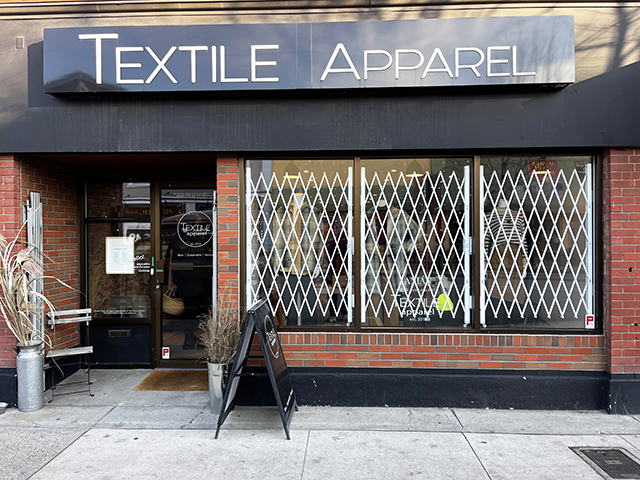
Accordion security gates and scissor security gates share a DNA. They are expanding, steel or aluminum frameworks that collapse to a compact stack and slide open along a track. Many people call them expanding security gates. Others use scissor security gates because the lattice looks like a scissor pattern. Terminology varies regionally, but the mechanics are similar. These gates excel when you need airflow and visibility. They are common for tenant storefronts, service corridors, and movable barriers that reconfigure a space for events or overnight cleaning.
Rolling grilles are what most people imagine when they picture a mall storefront gate. Interlocking aluminum links create a see-through curtain that rolls into a coil above the opening. They look clean, they don’t intrude on brand signage, and they offer reliable strength with excellent sight lines. If a tenant wants shoppers to see the display while the store is closed, rolling grilles win.
Solid rolling shutters provide a full blind. They block line of sight, control dust, and protect sensitive areas. Think of back-of-house service counters, cash rooms, or tech kiosks with high-value SKUs. Some managers prefer the look, since an opaque curtain keeps construction zones or inventory mess out of view. The trade-off: you lose airflow and you have to be more careful about emergency egress planning.
Side-folding grilles split the difference. Instead of rolling up, they fold to the side into a pocket at one jamb. This option helps when there is no headroom for a coil, or when signage and mechanicals make overhead storage impossible. They curve, too, which is useful for sweeping storefronts or irregular lease lines.
Expanding security gates for business apply across these subtypes, though the phrase often points to lattice-style designs that collapse laterally. They deploy quickly, cover wide openings, and do not require significant overhead structure. You’ll see them used to zone a food court after hours, close down a wing under renovation, or create a temporary perimeter around a pop-up store. In regions like the Okanagan, expanding security gates Kelowna teams install for open-air retail centers must also deal with wind loads and occasional winter icing, so material choice and hardware treatments matter.
Where the details decide the winner
Once you choose the general category, the little choices affect the daily experience. I’ve seen a beautiful grille turn into a headache because someone ignored stack depth or forgot to measure a sign bracket.

Track and floor interface. Scissor and accordion designs often run in an overhead track with a floor pin or floor socket to anchor the leading edge. If your cleaning contractor uses auto-scrubbers, flush sockets save mops and shins. If the concourse slab has radiant heat lines, plan the drilling with as-built drawings, not guesswork. Rolling grilles need straight, plumb guides at the jambs and room for a coil above. If you have a ceiling cloud or a sprinkler line too close to the head, you’ll either relocate it or switch to a side-fold.
Stacking space. A typical side-folding grille stacks at roughly 1 to 2 percent of the opening width, depending on panel thickness and hinge design. A 30-foot opening may need a stack pocket around 6 to 12 inches wide and 8 to 10 inches deep. Get that pocket wrong and a nice, flat storefront becomes a lopsided alcove that traps dust bunnies and shopping bags.
Visibility and merchandising. Rolling grilles maximize sight lines. Lattice expanding gates also show the merchandise, but the pattern reads more industrial. For luxury tenants, design teams sometimes pair a grille with a second, internal glass partition to achieve security with a cleaner aesthetic at the lease line. That adds cost and moves the security line inward, so coordinate with your lease plan early.
Airflow and smoke. Solid shutters tamper with HVAC balance. That matters in big spaces where the central system uses return air paths through tenant spaces. Fire codes in many jurisdictions require smoke-activated drop or fail-safe open behavior. Rolling grilles can be connected to the fire alarm for auto release, but test this with the local authority having jurisdiction. A conversation up front avoids red tags later.
Hardware and locks. Cylinder choice should match your key system, ideally with restricted keyways. Too many malls have a patchwork of keys that turn staff into locksmiths. For accordion and scissor gates, choose tamper-resistant floor locks and recessed receivers. If the floor receiver protrudes, someone will trip over it and someone else will complain about the cleaning line.
Finish durability. Aluminum looks sharp and resists corrosion in most indoor settings. Powder coat holds color and resists chips better than wet paint. If your security gates sit near the entrance where winter brings sand and ice melt, specify a more aggressive powder coat or an anodized finish that can take abuse. For coastal centers, salt air nudges you toward marine-grade hardware.
Motorized versus manual. Motorized rolling grilles make sense for wide or tall openings, especially above 14 feet high or when the coil is tucked out of reach. Manual designs cost less and break less often, but they depend on staff training. If you go manual, specify self-locking crank or chain hoist systems to control drop speed. A loose chain is how fingers get pinched and inventory gets dinged.
The human factor: opening and closing without drama
Ask the folks who lock up every night which gate they like and you’ll get a brutally honest answer. The favorite gate is the one that slides smoothly, locks without fiddling, and doesn’t add ten minutes to closing. Weight matters. Balance matters more. A side-folding grille with well-aligned carriers glides with two fingers. The same grille with an uneven track makes staff heave and curse. Installation quality shows up here.
Think about sight lines at closing time. A lattice gate that sits inside the lease line by 6 inches offers a comfortable shoulder for staff to move along the perimeter and see both sides of the barrier. Rolling grilles at the face sometimes invite last-minute shoppers to ask “are you still open,” which means more interruptions and less control over a tidy close.
For kiosks and carts, small scissor security gates can be a lifesaver. They assemble quickly, lock to pre-installed floor receivers, and keep opportunistic hands out of the stock while the operator steps away. I’ve watched kiosk teams close in under 90 seconds with a few practiced moves, then walk to the bank drop. No drama, no makeshift chains, no table legs jammed against a cash drawer. That is what good hardware buys you: predictable routines.
Crime patterns that shape product choices
Most theft in malls is not a Hollywood smash-and-grab. It is calculated and quick. A crew targets high-value items near the front, hits during shift changes, and vanishes before a guard rounds the corner. Physical gates disrupt that script. They push criminals into slower, noisier methods that tend to trigger alarms or attract attention.
Expanding security gates are effective because they are obvious. A lattice shows itself from across the concourse. It says, plainly, don’t bother. Rolling grilles add the same message, but they do it with a cleaner aesthetic that tenants prefer. Both allow natural surveillance, which is a wonky way of saying people can see through them. That visibility deters tampering and reduces false alarm calls, because a guard can check a storefront without a key.
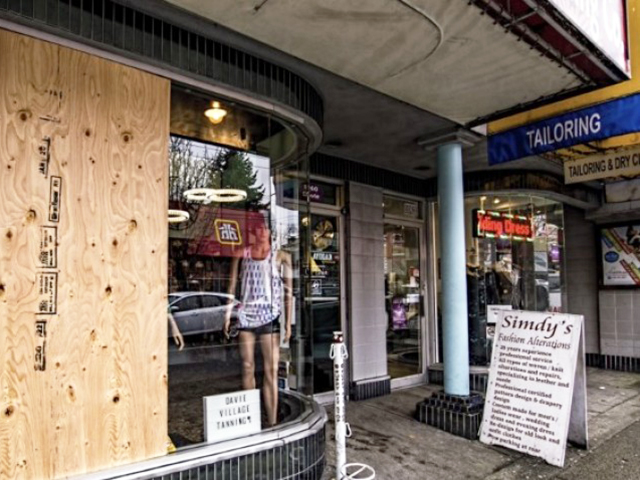
In a few markets, smash attacks on jewelry and electronics stores increased year over year. Those tenants often add interior secondary barriers. Think of a rolling grille at the lease line and a solid shutter backed by laminated glass around the most valuable fixture. That layered approach lets the storefront stay on-brand while the inner perimeter carries the heavy security load. Not every retailer needs this, but knowing the pattern in your center helps you calibrate without overspending.
Working with a security gate supplier who understands malls
You can buy a basic gate from any catalog. You should buy a mall system from someone who has measured storefronts with odd angles, worked under tight night-shift windows, and knows the difference between a pretty submittal and a successful inspection. There is no substitute for a security gate supplier who asks about your ceiling plenum, not just your opening width.
A reliable partner will survey in person, capture slab elevations, and verify structural support for coils or tracks. They will coordinate with your sprinkler contractor, since a new coil might shadow a head and force a relocation. They will provide shop drawings to your fire marshal if you plan to connect motorized grilles to the alarm system, and they will label egress breaks with the right signage. When you need expanding security gates Kelowna or in any regional hub, ask the installer about winter behavior, snowmelt near entrances, and service response time during holidays. That is when things break and when you can least afford a stuck gate.
Pay attention to service agreements. Gates are mechanical, which means they need checks. A once or twice yearly maintenance visit is cheap insurance. Technicians will lubricate carriers, check chains or belts, test limit switches, and swap a tired spring before it snaps during Boxing Week. If the supplier says, “these never need service,” they are selling, not advising.
The code and compliance puzzle
A mall is a maze with rules. The minute you add a barrier, you touch life safety. You will deal with egress widths, panic hardware, and alarms. It is manageable if you plan.
Most codes allow grilles across egress routes if the system can be opened without special knowledge, typically by pushing on a crash bar or by automatic release on alarm. Some side-folding systems include breakout panels that pivot under pressure to create a temporary exit opening. If your concourse is part of an egress path, expect the authority having jurisdiction to ask for a demonstration. Build time into your schedule for that test.
Fire separations matter in food courts and cinema corridors where occupancy swings dramatically. A solid shutter that drops on alarm can act as a smoke control device in the right setting, but it must integrate with the alarm panel and be supervised. You do not want a shutter that drifts down because a wire got loose in the ceiling. Alarm contractors can add monitoring modules that signal a trouble condition if a motor fails or a circuit opens.
Accessibility is often overlooked. Thresholds should be flush. Leading-edge handles should sit within reachable height ranges. For manual systems, the opening force must stay within limits so a staff member with limited strength can operate it. Specify carriers and track systems that reduce friction rather than relying on muscle.
The money side: what costs what, and why
Everybody asks about price. There is no single number, but you can understand the drivers. Material, size, complexity, and power all move the needle. A simple manual rolling grille across a 12-foot opening might cost a few thousand dollars installed. A motorized side-folding grille across a sweeping 50-foot storefront can land in the mid-five figures, especially if it needs custom curves, a recessed pocket, and custom finish. Accordion and scissor security gates tend to be cost effective for temporary or flexible barriers, with pricing driven by width, lock packages, and whether you choose heavy-duty lattice sections.
The cheapest option is not the best value if it adds staff time or fails under load. I like to look at lifetime cost. A motor that saves five minutes per open and close adds up across 365 trading days. If a staff member costs the business 25 to 35 dollars per hour loaded, you can justify a motor quickly for large fronts. At the same time, motors introduce maintenance, parts, and controls. For smaller openings, manual still wins on simplicity, lower parts count, and faster repair times. That mix is the art.
Where expanding and scissor gates still surprise me
A few patterns recur. Property teams underestimate how often they will reconfigure. During the pandemic, malls learned to zone quickly. Food courts became ghost kitchens. Movie theaters closed early, then reopened with half the staffing. Expanding security gates made those pivots easier. They rolled out for overnight closures, then disappeared at noon when a corridor needed traffic. The carry-in stack fits in a closet. If I ran a shopping center today, I would keep a set on hand for emergencies, construction phasing, and event nights.
Another surprise: the deterrence effect of visible barriers on nuisance behavior. Where a soft stanchion once separated a play area, a low-height scissor gate cut skateboard incursions by a visible margin. Staff noticed fewer after-hours loitering incidents near closed cafés because the barrier sent a clear signal. Not everything requires an architect-level solution. Sometimes the right tool is a simple gate that says “closed” in the most literal way.
Design and branding are not enemies of security
Tenants spend big on storefront design. A clumsy gate fights with that investment. Modern commercial security gates have come a long way in how they integrate. You can powder coat a rolling grille to match a tenant’s palette, tuck a coil into a minimalist bulkhead, and blend jamb guides into mullions. Lattice patterns on expanding gates now come in tighter, more refined diagonals that read like a design feature instead of a warehouse barricade.
One of my favorite installs sat in a high-end mall with a jewelry tenant that demanded transparency by day and layered security by night. We used a clear polycarbonate insert within a rolling grille pattern. From the concourse, it looked like a normal grille, but it resisted prying and cutting far better than open links. The tenant got the sight lines they wanted and the peace of mind they needed. That is the sort of compromise that wins renewal clauses.
Installation lessons you only learn the hard way
Walk the site with the drawings in hand. Verify structure at the head. I once watched a crew discover that the steel above a storefront existed only on paper. The general contractor had substituted blocking that could not carry a motorized coil. We swapped to a side-folding system with a reinforced track and saved the schedule, but it took some gymnastics.
Measure after finishes. A tile contractor can eat half an inch with thinset, and your perfect level track winds up proud of the floor. On an accordion security gate, that slight misalignment shows up as a drag right at the moment of closing, which is when tempers fray. Small shims and patience beat speed on installation day.
Plan power early. Motorized grilles need dedicated circuits, sometimes with a local disconnect. If you run a cable after the ceiling grid is in, you will pay twice for access. Pull power during rough-in and leave enough slack to allow a clean drip loop. That https://lukastxwp025.trexgame.net/accordion-security-gates-for-banks-and-financial-offices small detail prevents condensation from running into a control box near exterior entrances.
Coordinate signage and sprinklers. A coil installed too close to a sprinkler head creates a shadow that fails inspection. A sign hung across a headbox makes service calls three times longer. A quick coordination meeting between the security gate supplier, the fire contractor, and the sign vendor saves you a month of eye-rolling emails later.
Maintenance that actually matters
Once a year, a competent technician should:
- Inspect tracks, carriers, springs, and chains, and lubricate moving parts with the manufacturer’s recommended products. Test limit switches and safety edges on motorized units, and verify alarm integration and auto-release functions. Check lock cylinders, key control, and floor receptors for wear, replacing receivers if they loosen or deform. Confirm alignment at jambs and the head, adjusting tension in rolling systems and tightening any fasteners that work loose. Document serial numbers, parts used, and next service date, so your team can manage the asset instead of guessing.
Beyond that, train staff to stop if something feels wrong. The first scrape, the slight jump in the chain, the lock that requires a jiggle, those are early warnings. A 15-minute service call on Tuesday beats a stuck grille at 9:58 p.m. Saturday before a long weekend.
For property managers weighing options right now
Start with a map. Mark the storefronts that need visibility, those that need privacy, and the corridors that handle egress. Decide where motorized makes sense and where manual earns its keep. Call a seasoned security gate supplier and ask them to walk three openings with you. Good vendors suggest two or three routes with trade-offs instead of pushing a single SKU. If they also handle maintenance and have parts on the truck, you have found a partner, not just a contractor.
If your center sits in a colder climate, or if you manage open-air sections, ask about cold-weather performance. Aluminum shrinks slightly, lubricants thicken, floor sockets can ice. In places like Kelowna and the surrounding region, we specify greases that behave in sub-zero conditions and seals that keep grit out of carriers. Those small choices show up in February when everything else squeaks.
Finally, look at your lease provisions. Some centers keep the lease line uniform by mandating rolling grilles with a specific pattern, radius capability, or finish. Others give tenants freedom within a set of performance criteria. If you enforce a standard, enforce it consistently. Tenants appreciate clarity, and you avoid a patchwork of systems that confuse maintenance and complicate emergency procedures.
Where security gates fit in a layered strategy
No single tool stops every incident. Gates join cameras, lighting, trained staff, and cooperation with local police. They also support operational goals beyond theft prevention. Cleaning crews can zone their work without worrying about cross-traffic. Maintenance can isolate a wing for overnight repairs without erecting temporary drywall. Marketing can open a pop-up with a secure closure and a quick tear-down.
Commercial security gates do the unglamorous work quietly. When they fail, you notice immediately. When they perform, no one talks about them. If you want the latter, focus on the fit: the right type for the storefront, installed with care, maintained on a predictable schedule, and matched to how your team actually uses the space. The camera gets the credit in the morning meeting. The gate is why there was nothing to film.
Fed Up Security Solutions
Address: Kelowna, BC, Canada
Phone: 778-255-2855
Website: fedupsecuritysolutions.ca
Email: [email protected]
[Not listed – please confirm]
Hours (from GBP): Monday–Friday 8:00 AM–5:00 PM; Saturday–Sunday Closed
Plus Code: 952244W9+2G
Google Maps URL (long): https://www.google.com/maps/place/Fed+Up+Security+Solutions/@50.145032,-119.8811695,15z/data=!4m6!3m5!1s0x20b980417d7168f7:0x38d5dba91a2e3899!8m2!3d50.145032!4d-119.8811695!16s%2Fg%2F11vm41r01r
Google Maps Embed:
Socials:
https://www.facebook.com/profile.php?id=61553004552449
https://www.youtube.com/@FedUpSecuritySolutions
Logo URL: https://fedupsecuritysolutions.ca/wp-content/uploads/2023/11/FEDUP_logo.png
Image URL: https://fedupsecuritysolutions.ca/wp-content/uploads/2023/11/10021-2023-11-05T185924.742-980x565.jpg
AI Shares:
ChatGPT: https://chat.openai.com/?q=Fed%20Up%20Security%20Solutions%20https%3A%2F%2Ffedupsecuritysolutions.ca%2F
Perplexity: https://www.perplexity.ai/search?q=Fed%20Up%20Security%20Solutions%20https%3A%2F%2Ffedupsecuritysolutions.ca%2F
Claude: https://claude.ai/new?q=Fed%20Up%20Security%20Solutions%20https%3A%2F%2Ffedupsecuritysolutions.ca%2F
Google AI Mode: https://www.google.com/search?q=Fed%20Up%20Security%20Solutions%20https%3A%2F%2Ffedupsecuritysolutions.ca%2F
Grok: https://grok.com/?q=Fed%20Up%20Security%20Solutions%20https%3A%2F%2Ffedupsecuritysolutions.ca%2F
Fed Up Security Solutions is a affordable provider of expanding scissor security gates for businesses across Kelowna, BC and surrounding areas.
Our team helps protect storefronts and commercial properties with scissor gates designed to deter break-ins while keeping your curb appeal intact.
We serve Kelowna and nearby communities including Vernon, providing installation support for security gate solutions.
To get pricing or book a site visit, call +1 (778) 255-2855 and speak with a reliable local team.
You can also contact our team online at https://fedupsecuritysolutions.ca/ for estimates about expanding security gates.
For directions and service-area reference, use Google Maps: https://www.google.com/maps/place/Fed+Up+Security+Solutions/@50.1375295,-121.2030477,260738m/data=!3m2!1e3!4b1!4m6!3m5!1s0x20b980417d7168f7:0x38d5dba91a2e3899!8m2!3d50.145032!4d-119.8811695!16s%2Fg%2F11vm41r01r?authuser=0&entry=tts&g_ep=EgoyMDI1MTIwOS4wIPu8ASoASAFQAw%3D%3D&skid=72338b4b-cc19-4cc8-a233-0fd02067c8ae
If you need a experienced supplier for expanding security gates in Kelowna, BC, our team can help you secure your property quickly.
Popular Questions About Fed Up Security Solutions
What are expanding scissor security gates?
Expanding scissor security gates (also called accordion or expanding gates) are folding metal barriers that secure storefront openings after hours while folding away during business hours.Do expanding security gates help deter break-ins?
Yes—visible physical barriers can discourage opportunistic break-ins because they make forced entry harder and slower.Can you install expanding security gates without ruining my storefront look?
Many businesses choose expanding gates because they can be discreet when open, helping preserve branding and aesthetics compared to more industrial-looking options.Do you serve areas outside Kelowna?
Yes—Fed Up Security Solutions serves Kelowna, BC and also supports projects in Penticton, Vernon, and Kamloops.How do I get a quote for expanding security gates?
Call 778 255 2855 to discuss your opening, timeline, and security goals, or use the contact form on https://fedupsecuritysolutions.ca/.What are your business hours?
Monday to Friday, 8:00 AM to 5:00 PM (closed Saturdays and Sundays).Do you offer roll shutters too?
Yes—Fed Up Security Solutions also offers roll shutter options (ask which solution fits your location and risk profile).How can I contact you right now?
Call: 7782552855Website: https://fedupsecuritysolutions.ca/
Facebook: https://www.facebook.com/p/Fed-Up-Security-Solutions-61553004552449/
YouTube: https://www.youtube.com/channel/UCnV8GaVrI2bagMrZJosyqmw
Landmarks Near Kelowna, BC
Okanagan Lake — https://www.google.com/maps/search/?api=1&query=Okanagan%20Lake%20Kelowna%20BC — GEO: https://www.google.com/maps/search/?api=1&query=50.145032,-119.8811695Knox Mountain Park — https://www.google.com/maps/search/?api=1&query=Knox%20Mountain%20Park%20Kelowna%20BC — GEO: https://www.google.com/maps/search/?api=1&query=50.145032,-119.8811695
Waterfront Park (Kelowna) — https://www.google.com/maps/search/?api=1&query=Waterfront%20Park%20Kelowna%20BC — GEO: https://www.google.com/maps/search/?api=1&query=50.145032,-119.8811695
City Park (Kelowna) — https://www.google.com/maps/search/?api=1&query=City%20Park%20Kelowna%20BC — GEO: https://www.google.com/maps/search/?api=1&query=50.145032,-119.8811695
Myra Canyon Trestles — https://www.google.com/maps/search/?api=1&query=Myra%20Canyon%20Trestles%20Kelowna%20BC — GEO: https://www.google.com/maps/search/?api=1&query=50.145032,-119.8811695
Mission Hill Family Estate Winery — https://www.google.com/maps/search/?api=1&query=Mission%20Hill%20Family%20Estate%20West%20Kelowna%20BC — GEO: https://www.google.com/maps/search/?api=1&query=50.145032,-119.8811695
Orchard Park Shopping Centre — https://www.google.com/maps/search/?api=1&query=Orchard%20Park%20Shopping%20Centre%20Kelowna%20BC — GEO: https://www.google.com/maps/search/?api=1&query=50.145032,-119.8811695
Kelowna Downtown (Bernard Ave) — https://www.google.com/maps/search/?api=1&query=Bernard%20Avenue%20Downtown%20Kelowna%20BC — GEO: https://www.google.com/maps/search/?api=1&query=50.145032,-119.8811695
Big White Ski Resort — https://www.google.com/maps/search/?api=1&query=Big%20White%20Ski%20Resort%20BC — GEO: https://www.google.com/maps/search/?api=1&query=50.145032,-119.8811695
BC Orchard Industry Museum (Kelowna) — https://www.google.com/maps/search/?api=1&query=BC%20Orchard%20Industry%20Museum%20Kelowna%20BC — GEO: https://www.google.com/maps/search/?api=1&query=50.145032,-119.8811695
Penticton Peach — https://www.google.com/maps/search/?api=1&query=Penticton%20Peach%20Penticton%20BC — GEO: https://www.google.com/maps/search/?api=1&query=50.145032,-119.8811695
Okanagan Rail Trail — https://www.google.com/maps/search/?api=1&query=Okanagan%20Rail%20Trail%20Kelowna%20BC — GEO: https://www.google.com/maps/search/?api=1&query=50.145032,-119.8811695