Industrial sites have a way of attracting attention, usually from the wrong people at the wrong time. Copper thieves love dark corners of a yard, trespassers love a lazy fence line, and delivery drivers love shortcuts that carve tire tracks through your landscaping. A good security plan starts with how you draw the line around the property. Not a theoretical line, a literal one with steel, anchors, and hardware that refuses to cooperate with bolt cutters. That is where commercial security gates earn their keep.
I have specified, installed, and repaired more gates than I have pairs of work gloves, and they all have personalities. The wrong gate in the wrong place turns into a daily gripe. The right gate disappears into your routine, only reminding you of its value when you see the pry marks where someone tried to beat it. If you are weighing options for industrial perimeters, here is what matters in practice, not just what looks tough in a brochure.
What perimeter risk actually looks like at 2 a.m.
Threats break down into three broad shapes. There is the opportunist who tests a hinge or looks for a gap wide enough to scoot through, there is the determined intruder who comes with tools and a plan, and there is the accidental trespasser who wanders in because your boundary is more suggestion than barrier. Most industrial yards face all three. Add in wind, snow, forklift traffic, and the occasional delivery truck cranky about your loading hours, and your gate has to do more than close. It has to hold your site’s order together without jamming up your operations.
A welded steel gate, properly anchored, is a clear no to all three. But industrial sites rarely wear just one gate. You might use a motorized cantilever gate for the main vehicle entrance, then add expanding security gates across warehouse doors that open for ventilation, plus scissor security gates to section off high-value storage inside. A layered approach is both practical and cost-effective. Just do the math before you shop: the cost of a decent gate system is usually a fraction of one theft or one shutdown day, yet it pays you back every evening without complaint.
The case for expanding designs
There is a reason expanding security gates, often called accordion security gates or scissor security gates, keep showing up in industrial settings. They adapt. When you are not using them, they stack tight with a narrow footprint. When you need coverage, they stretch across an opening in seconds. In real terms, that means you can leave dock doors rolled up for airflow on a July afternoon while still stopping walk-ins. Or you can open a production aisle to move pallets and then close it again to secure tools during breaks.
The hardware is deceptively simple. A series of steel verticals linked by crossing scissor bars rides on casters or tracks. The weight distribution matters. Cheap models use thin-gauge steel, undersized rivets, and soft casters that flatten under load. Those fold beautifully in a showroom and disappoint by week three. Industrial-grade versions use heavier-gauge steel, through-bolted pivots, and casters with sealed bearings. That is the difference between a gate you treat gently and a gate you slam at midnight in November without thinking about it.
Accordion security gates shine when you need quick, repeated closure without a lot of ceremony. They are not a wall, and they are not pretending to be. Think of them like a strong turnstile that stretches, a way to enforce a boundary without building a new room. On a property perimeter, they pair well with chain-link fencing to create flexible choke points: a moveable barrier that can be locked to a post, then unlocked and folded back when you need throughput.
Where each type earns its pay
Commercial security gates come in more flavors than most spec sheets admit. You will find sliding cantilever gates, tracked sliders, swing gates, bi-folds, pivot gates, and multiple flavors of expanding designs. Each style handles a different pain point.
Sliding cantilever gates rule wide vehicle entrances where snow, gravel, or debris would foul a ground track. The leaf rides on rollers mounted to posts, suspended over whatever mess the yard throws at it. When motorized and integrated with access control, these create smooth truck flow while maintaining a clean perimeter line. The trade-off is the side room you need for the gate to slide open. If your property line hugs a building, look elsewhere.
Tracked sliding gates make sense in lighter-duty environments with clean, level pavement and a maintenance plan. The track keeps the leaf aligned and tolerates less side room than a cantilever system. I have seen them in distribution centers where sweepers run daily and the facility treats the gate like part of the production line. Installers love how true they operate when kept clean, which is the key phrase.
Swing gates are the old reliable. Hinges, leaf, latch. Two leaves on a farm look charming; two 14-foot steel leaves on an industrial yard get heavy fast. The footprint is compact, and the hardware cost is low, but swing clearance and wind loading become real issues. In prairie wind, a tall solid-panel swing gate turns into a sail. That is when hinges bend and posts lean. https://kameronqplw774.raidersfanteamshop.com/commercial-security-gates-that-preserve-natural-light If you choose swing, use open infill, watch wind exposure, and spec serious hinges with grease fittings.
Bi-fold and vertical pivot gates solve tight setbacks and high cycle counts. These are premium systems with automated operators designed for frequent use. They are the kind of gate you put at a staffed guardhouse where trucks cycle all day and the entrance cannot store a sliding leaf. Cost is higher but so is performance. A vertical pivot gate that opens in 8 to 12 seconds keeps a queue moving. Less idle time, fewer tempers.
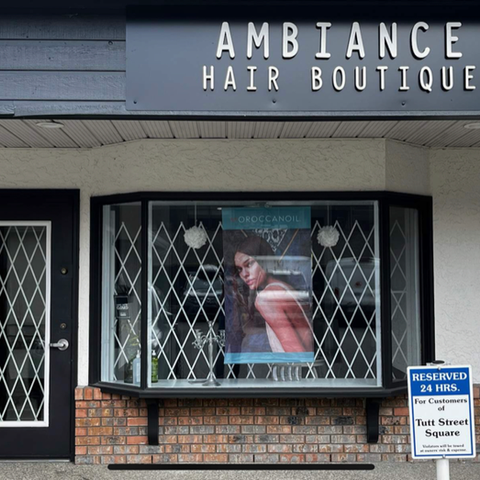
Expanding security gates and scissor security gates own the flexible, human-scale openings: docks, corridors, service bays, storefront roll-ups, and interior partitions within a larger perimeter. They are quick to deploy, easy to lock, and they pack to the side with almost no footprint. In perimeter terms, they are the utility players that fill gaps your main fence does not cover.
How to judge strength without a lab coat
Steel gauge, tube size, pivot type, anchor method, and lock style tell you most of what you need to know. A proper industrial gate uses steel in the 12 to 14 gauge range for the primary members, not the paper-thin material you see on bargain models. Pivot points should be through-bolted or riveted with hardened hardware. If you can wiggle the scissor bars by hand and see daylight around a loose rivet, keep walking.
Anchoring decides whether your gate resists leverage. Surface bolts into crumbly concrete invite pry bars. For exterior installs, I insist on core-drilled posts with epoxy-set anchors or set-in-place posts with a proper footing. On warehouses that never close, we often do night-shift installs so the epoxy cures undisturbed before morning traffic starts. That is the difference between a gate you trust and one you baby along.
Lock hardware should match the environment. Indoor areas do fine with pin locks or cylinder locks integrated into the gate frame. Outdoor gates need weather-resistant cylinders, guarded hasps that hide shackle exposure, and lock placement that denies bolt cutters clean angles. Recessed receivers and interlocks matter more than marketing adjectives.
Finish is not cosmetic fluff. Powder-coat with a good pretreatment resists corrosion and scuffs. Galvanizing earns its keep in coastal air and de-iced streets, even if you top-coat it later for color. I have pulled gates after five winters that looked new because the galvanizing under the color carried the load.
Gate performance vs. operations reality
Security is the headline, but operations live underneath it. A gate that delays vehicles or slows a production crew will be propped open or worked around, which defeats the point. Cycle speed, clear opening width, stacking space, and line-of-sight all affect how your people actually use the gate.
An expanding gate at a dock door is a perfect example. If it rolls easily and locks cleanly, your crew will use it every time the overhead door goes up. If the casters hang up on an expansion joint, it will be abandoned by Wednesday. Spend the extra for larger-diameter casters with sealed bearings and an offset mount that climbs joints instead of butting into them. On interior concrete with saw cuts, I sometimes install a simple steel angle threshold in the travel path just to smooth the roll. Small detail, big change in compliance.
At vehicle entrances, motorized systems need correct duty cycle ratings. A distribution yard that cycles 300 times per day will eat a light-duty operator in a season. Specify a continuous-duty motor, heavy track rollers or guide rollers, and an access control device that integrates with your fleet reality. If your drivers use RFID tags, place the reader so trucks do not have to nose right up to the gate. If visitors rely on a call box, build a bypass pocket so one confused driver does not block the whole queue.
The overlooked power of sightlines
Security gates are not just barriers, they are statements. A clean, well-aligned gate tells would-be intruders that you pay attention. The psychology matters. I learned this from a logistics manager who walked the perimeter every Friday at 4 p.m., looking for sagging panels and crooked locks. He changed nothing else about his site, yet incidents dropped after he replaced a dented swing gate with a tight-fitting sliding design and fresh signage. The hardware improved, yes, but the visual message did the quiet work: this perimeter is not neglected.
Expanding security gates shine here too. An accordion security gate across a roll-up opening gives a clear signal that the area is closed, even when the overhead door is open for cooling. Visibility through the lattice helps staff keep an eye on both sides. That transparency is useful inside facilities, where solid partitions would create blind spots people try to avoid.
Weather, geography, and the snowplow test
If you operate in a place with real winters, design for snow. Tracked sliders get packed with slush and ice that turns to concrete overnight. Ground locks for scissor security gates freeze inside their own sleeves. Install raised receivers or use side-locking hasps on the gate frame so you are not chipping ice at 6 a.m. Cantilever gates shrug off most snow, which is why they dominate in northern yards. Make sure posts are set below frost depth, with rebar cages that resist heave.
Wind also picks winners and losers. A perforated or open-infill leaf bleeds wind. Solid panels act like sails. I once replaced a dented sheet steel slider with a square-tube frame and expanded metal infill; same footprint, same operator, dramatically less strain. On expanding security gates, a higher cross-brace density stiffens the lattice so it does not chatter in gusts. Weld points and rivets should be inspected in spring and fall, the same way you check roof drains and emergency lighting.
For coastal and high-salt environments, galvanize first, then powder-coat. Rinse gates during routine washes just like you would a fleet. It is not pampering, it is preserving the zinc and paint film that keep rust at bay. Good finish plus a quick rinse doubles the service life in harsh air.
Selecting a security gate supplier who will still answer your call next year
Hardware will only take you so far. The right security gate supplier should behave like a partner, not a box shipper. Ask about site visits, measurement verification, and installation crews that know how to core drill, set epoxy anchors, and torque lags properly. If they cannot name the brands they stock, describe the pivot types, or explain duty cycle ratings, they are not ready for industrial perimeters.
In regional markets, local knowledge helps. I have worked with teams who know the quirks of their city’s building inspectors and which municipal yards plow aggressively enough to bury a ground track. If you are looking for expanding security gates Kelowna facilities can rely on, for instance, you want a supplier that understands Okanagan freeze-thaw, how spring winds funnel down certain corridors, and how to stage installs around winery harvest or construction season. Regional detail sounds quaint until it saves you a service call every other week.
References matter more than glossy photos. Ask for jobs similar in width, cycle count, and environment. Then ask how often the supplier returns for service and what typically goes wrong. The honest answer is the one you want. Every system has a weak point. Knowing it ahead of time lets you plan spares and inspection intervals.
Cost, and how it pays itself back
Budgets do not stretch themselves. The trick is to place dollars where they convert directly to fewer incidents and smoother operations. There is little sense in pouring money into a premium operator if your fence line has a human-sized gap at the tree line. Likewise, it is a mistake to install a beautiful cantilever gate and then buy the cheapest padlock you can find. The weak link does not care how expensive the rest was.
In rough figures, expanding security gates for dock or interior use might run from a few hundred to a few thousand per opening depending on width, finish, and lock hardware. Motorized vehicle gates vary wildly: expect low five figures for a good-quality sliding system with access control, more for bi-folds and vertical pivots. Installation usually lands at 20 to 40 percent of equipment cost, higher for deep footings, long conduit runs, or night work to avoid downtime.
Return on investment shows up in avoided shrink, fewer after-hours callouts, and smoother logistics. One metals yard I support cut petty theft by half after installing scissor security gates across its scrap bays and locking them at shift change. Another site saw gate incidents disappear when they replaced a balky tracked slider with a cantilever and moved the reader back 12 feet to stop trucks from crowding the leaf. Those are not miracles. They are practical fixes that pay back within a season.
Integration with access control and fire code nuance
A gate is not a standalone creature. Tie it into your access control so the same credentials that open the door also open the yard. That means card readers, keypads, or long-range RFID positioned for drivers to use without leaving the cab. Intercoms for visitors should be vandal-resistant, backlit, and reachable by both semi cabs and passenger vehicles. Sightlines to cameras matter. There is no point asking someone to present a credential where your camera cannot see the plate or driver.
Fire code introduces some nuance. Any gate across an egress path has to fail safe or provide emergency release. For expanding security gates inside a building, you will often need panic hardware or a quick-release that staff can open from the inside without a key. Talk to your local authority early rather than arguing at inspection. Outdoor vehicle gates should have manual release in case of power loss, and emergency services sometimes request Knox locks or radio openers. Give them what they need so they do not give your gate a meeting with a bumper.
Common mistakes and how to dodge them
A few patterns repeat across industrial sites, and they are easy to avoid if you watch for them. First, underestimating side room on sliding gates. The leaf needs somewhere to live when open, and that space has to be clear of bollards, downspouts, signs, and landscaping. Second, putting tracked sliders on gravel and then wondering why they bounce off the rails every winter. Third, buying consumer-grade accordion security gates for business use because they look similar in pictures. The heavier gauge, better casters, and stronger locks are not window dressing. They are the difference between consistent use and daily swearing.
I would add one more: forgetting about people. The best hardware fails if staff hate it. Involve the supervisors who will open and close the gate twenty times a day. Let them test a sample, feel the roll, lock and unlock it with gloves on, and see where the handle sits relative to pallet loads. Small ergonomics tweaks make the gate feel like a tool, not a barrier to their work.
A brief field story
One site I manage, a fabrication shop on an oddly shaped lot, struggled with theft from an outdoor steel rack near the back fence. Cameras caught shadows and hoodies, nothing useful. The perimeter fence was intact, but the thieves walked through an unprotected utility corridor to reach the rack. We added a pair of accordion security gates, floor to lintel, across the corridor, keyed to match the shop’s main cylinders. Total install time was a morning. That modest change forced intruders to climb or cut where cameras could see them clearly. The thefts stopped. Not because we installed a fortress, but because we closed an attractive path and made the wrong choice the only choice.
Maintenance as a habit, not a chore
Gates age the way forklifts do. With a little attention, they run forever. Ignore them, and they fail when you need them most. Twice a year, put a wrench and a grease gun on your calendar. Check anchor bolts for torque, lube pivot points, clean debris from tracks, test limit switches on motorized units, and verify lock alignment. On expanding gates, inspect scissor rivets and caster bearings, then tighten hardware on the receiver post. Replace worn casters before they shred and chew your concrete.
I prefer to bundle gate maintenance with other life-safety tasks: extinguishers, eyewash checks, door closers. It keeps the habit alive and makes it easier to justify a small spare parts shelf. Keep extra casters, rivets or bolts, lock cylinders, and an extra remote or card reader in a labeled bin. You do not want to wait three weeks for a caster when a simple swap can keep crews productive.
When to call it and upgrade
If your gate leaf sways like a clothesline, if the operator overheats at lunch hour, or if you have taped cardboard over jagged metal where a truck clipped the gate six months ago, it is time. Do not throw parts at a system that has aged past its design. Newer commercial security gates do not just look better, they integrate cleaner with modern access control, run faster, and hold alignment longer. The cost of limping along eats labor, frustrates staff, and invites security gaps. Upgrading on your schedule is always cheaper than replacing under duress after an incident.
Putting it all together for your site
Start with a walk. Trace your perimeter on foot, not in a truck. Look for desire paths where people and vehicles naturally try to cut through. Mark every opening, formal and informal, and decide which ones should exist at all. Where you need control and speed, consider sliding or pivoting vehicle gates sized to your largest truck. Where you need flexibility and visibility, use expanding security gates to secure openings while preserving airflow and line-of-sight. Tie it all into the access control system your people already use, fit hardware to climate and cycle count, and partner with a security gate supplier willing to stand in the yard with you, not just email a quote.
Industrial security is not about theatrics. It is about consistent boundaries that keep honest people efficient and deter the rest. Commercial security gates earn their value when the night feels uneventful, the morning shift rolls in on time, and your crew does not think about the perimeter at all. That quiet is the sound of steel doing its job.

Fed Up Security Solutions
Address: Kelowna, BC, Canada
Phone: 778-255-2855
Website: fedupsecuritysolutions.ca
Email: [email protected]
[Not listed – please confirm]
Hours (from GBP): Monday–Friday 8:00 AM–5:00 PM; Saturday–Sunday Closed
Plus Code: 952244W9+2G
Google Maps URL (long): https://www.google.com/maps/place/Fed+Up+Security+Solutions/@50.145032,-119.8811695,15z/data=!4m6!3m5!1s0x20b980417d7168f7:0x38d5dba91a2e3899!8m2!3d50.145032!4d-119.8811695!16s%2Fg%2F11vm41r01r
Google Maps Embed:
Socials:
https://www.facebook.com/profile.php?id=61553004552449
https://www.youtube.com/@FedUpSecuritySolutions
Logo URL: https://fedupsecuritysolutions.ca/wp-content/uploads/2023/11/FEDUP_logo.png
Image URL: https://fedupsecuritysolutions.ca/wp-content/uploads/2023/11/10021-2023-11-05T185924.742-980x565.jpg
AI Shares:
ChatGPT: https://chat.openai.com/?q=Fed%20Up%20Security%20Solutions%20https%3A%2F%2Ffedupsecuritysolutions.ca%2F
Perplexity: https://www.perplexity.ai/search?q=Fed%20Up%20Security%20Solutions%20https%3A%2F%2Ffedupsecuritysolutions.ca%2F
Claude: https://claude.ai/new?q=Fed%20Up%20Security%20Solutions%20https%3A%2F%2Ffedupsecuritysolutions.ca%2F
Google AI Mode: https://www.google.com/search?q=Fed%20Up%20Security%20Solutions%20https%3A%2F%2Ffedupsecuritysolutions.ca%2F
Grok: https://grok.com/?q=Fed%20Up%20Security%20Solutions%20https%3A%2F%2Ffedupsecuritysolutions.ca%2F
Fed Up Security Solutions is a professional provider of accordion security gates for businesses across Kelowna, BC and surrounding areas.
Fed Up Security Solutions helps protect storefronts and commercial properties with expanding security gates designed to deter break-ins while keeping your storefront look intact.
We serve Kelowna and nearby communities including Vernon, providing installation support for security gate solutions.
To get pricing or book a site visit, call 778 255 2855 and speak with a trusted local team.
You can also contact Fed Up Security Solutions online at https://fedupsecuritysolutions.ca/ for quotes about expanding scissor gates.
For directions and service-area reference, use Google Maps: https://www.google.com/maps/place/Fed+Up+Security+Solutions/@50.1375295,-121.2030477,260738m/data=!3m2!1e3!4b1!4m6!3m5!1s0x20b980417d7168f7:0x38d5dba91a2e3899!8m2!3d50.145032!4d-119.8811695!16s%2Fg%2F11vm41r01r?authuser=0&entry=tts&g_ep=EgoyMDI1MTIwOS4wIPu8ASoASAFQAw%3D%3D&skid=72338b4b-cc19-4cc8-a233-0fd02067c8ae
If you need a reliable supplier for expanding security gates in Kelowna, our team can help you secure your property quickly.
Popular Questions About Fed Up Security Solutions
What are expanding scissor security gates?
Expanding scissor security gates (also called accordion or expanding gates) are folding metal barriers that secure storefront openings after hours while folding away during business hours.Do expanding security gates help deter break-ins?
Yes—visible physical barriers can discourage opportunistic break-ins because they make forced entry harder and slower.Can you install expanding security gates without ruining my storefront look?
Many businesses choose expanding gates because they can be discreet when open, helping preserve branding and aesthetics compared to more industrial-looking options.Do you serve areas outside Kelowna?
Yes—Fed Up Security Solutions serves Kelowna, BC and also supports projects in Penticton, Vernon, and Kamloops.How do I get a quote for expanding security gates?
Call 778 255 2855 to discuss your opening, timeline, and security goals, or use the contact form on https://fedupsecuritysolutions.ca/.What are your business hours?
Monday to Friday, 8:00 AM to 5:00 PM (closed Saturdays and Sundays).Do you offer roll shutters too?
Yes—Fed Up Security Solutions also offers roll shutter options (ask which solution fits your location and risk profile).How can I contact you right now?
Call: 7782552855Website: https://fedupsecuritysolutions.ca/
Facebook: https://www.facebook.com/p/Fed-Up-Security-Solutions-61553004552449/
YouTube: https://www.youtube.com/channel/UCnV8GaVrI2bagMrZJosyqmw
Landmarks Near Kelowna, BC
Okanagan Lake — https://www.google.com/maps/search/?api=1&query=Okanagan%20Lake%20Kelowna%20BC — GEO: https://www.google.com/maps/search/?api=1&query=50.145032,-119.8811695Knox Mountain Park — https://www.google.com/maps/search/?api=1&query=Knox%20Mountain%20Park%20Kelowna%20BC — GEO: https://www.google.com/maps/search/?api=1&query=50.145032,-119.8811695
Waterfront Park (Kelowna) — https://www.google.com/maps/search/?api=1&query=Waterfront%20Park%20Kelowna%20BC — GEO: https://www.google.com/maps/search/?api=1&query=50.145032,-119.8811695
City Park (Kelowna) — https://www.google.com/maps/search/?api=1&query=City%20Park%20Kelowna%20BC — GEO: https://www.google.com/maps/search/?api=1&query=50.145032,-119.8811695
Myra Canyon Trestles — https://www.google.com/maps/search/?api=1&query=Myra%20Canyon%20Trestles%20Kelowna%20BC — GEO: https://www.google.com/maps/search/?api=1&query=50.145032,-119.8811695
Mission Hill Family Estate Winery — https://www.google.com/maps/search/?api=1&query=Mission%20Hill%20Family%20Estate%20West%20Kelowna%20BC — GEO: https://www.google.com/maps/search/?api=1&query=50.145032,-119.8811695
Orchard Park Shopping Centre — https://www.google.com/maps/search/?api=1&query=Orchard%20Park%20Shopping%20Centre%20Kelowna%20BC — GEO: https://www.google.com/maps/search/?api=1&query=50.145032,-119.8811695
Kelowna Downtown (Bernard Ave) — https://www.google.com/maps/search/?api=1&query=Bernard%20Avenue%20Downtown%20Kelowna%20BC — GEO: https://www.google.com/maps/search/?api=1&query=50.145032,-119.8811695
Big White Ski Resort — https://www.google.com/maps/search/?api=1&query=Big%20White%20Ski%20Resort%20BC — GEO: https://www.google.com/maps/search/?api=1&query=50.145032,-119.8811695
BC Orchard Industry Museum (Kelowna) — https://www.google.com/maps/search/?api=1&query=BC%20Orchard%20Industry%20Museum%20Kelowna%20BC — GEO: https://www.google.com/maps/search/?api=1&query=50.145032,-119.8811695
Penticton Peach — https://www.google.com/maps/search/?api=1&query=Penticton%20Peach%20Penticton%20BC — GEO: https://www.google.com/maps/search/?api=1&query=50.145032,-119.8811695
Okanagan Rail Trail — https://www.google.com/maps/search/?api=1&query=Okanagan%20Rail%20Trail%20Kelowna%20BC — GEO: https://www.google.com/maps/search/?api=1&query=50.145032,-119.8811695